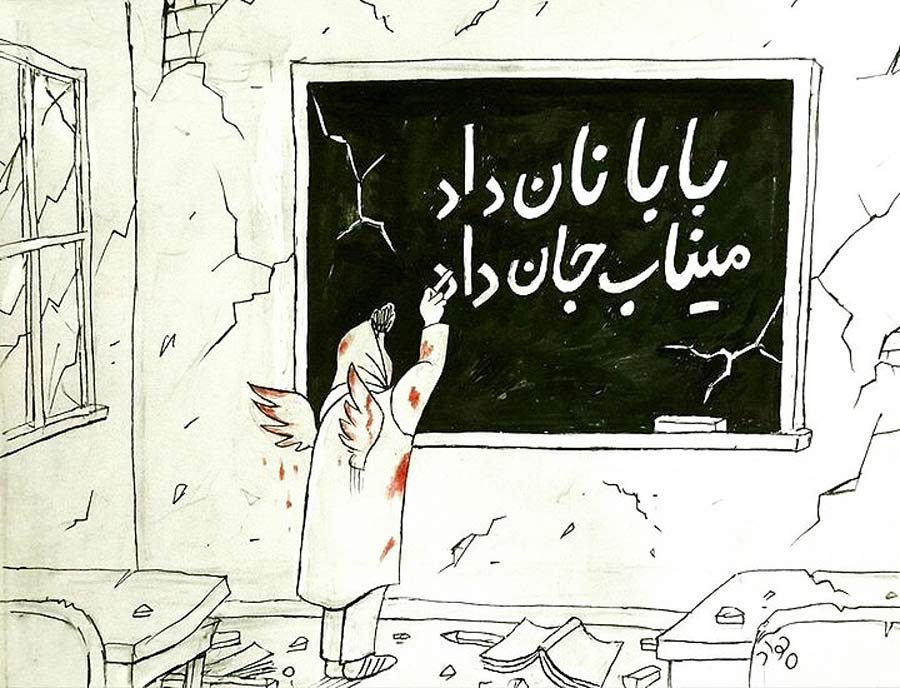

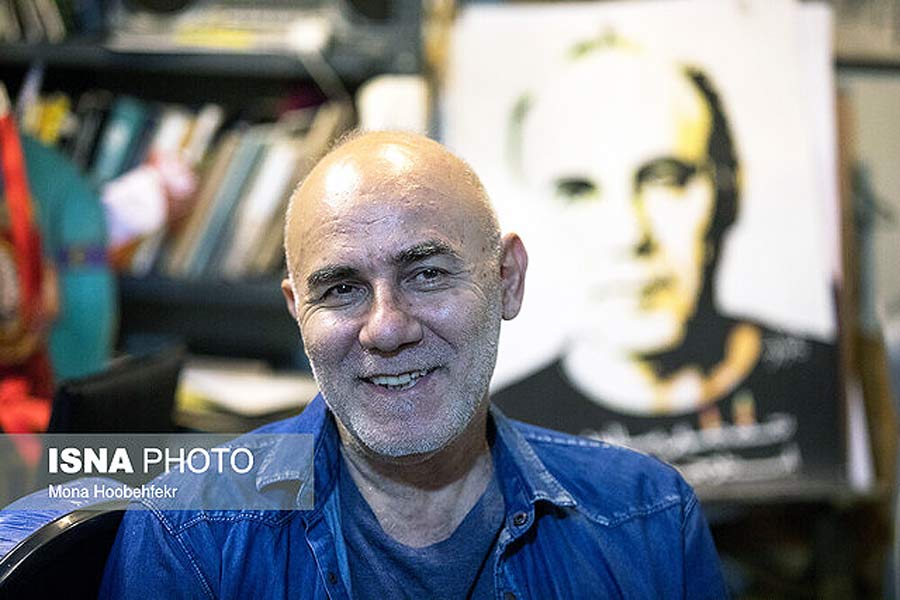
For Javad Alizadeh, caricature is not merely an artistic creation but a tool for raising awareness and uplifting society, a tool that, according to him, is now facing more barriers to publication than ever before.
According to Artmag.ir, veteran cartoonist Javad Alizadeh recalls the days of the Iran–Iraq War and reflects on the publishing environment for caricature during that period.
He explains that despite the heavy shadow of war, he consistently collaborated with newspapers while also publishing his own specialized periodical.
He says: “Even with the pressures of wartime, there was room for humorous and critical press work. In addition to the drawings focused on the frontlines and criticizing Saddam, we also addressed issues behind the front—problems such as rising prices and economic hardships. These caricatures were not merely critical; they were also meant to boost morale and provide awareness for both the soldiers and the public.”
Emphasizing the atmosphere of critique during that historical moment, he adds:
“I repeatedly said at the time that the publication of such critical works during wartime shows how receptive our officials were to criticism, something that absolutely did not exist in Iraq under Saddam.”
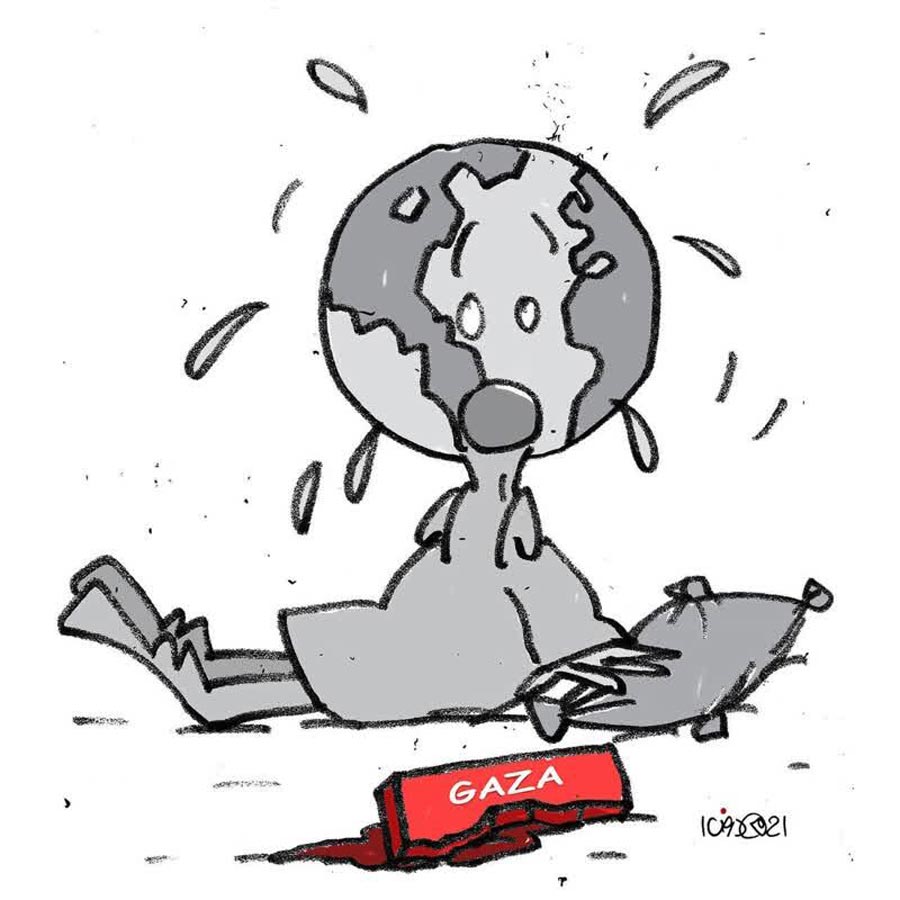
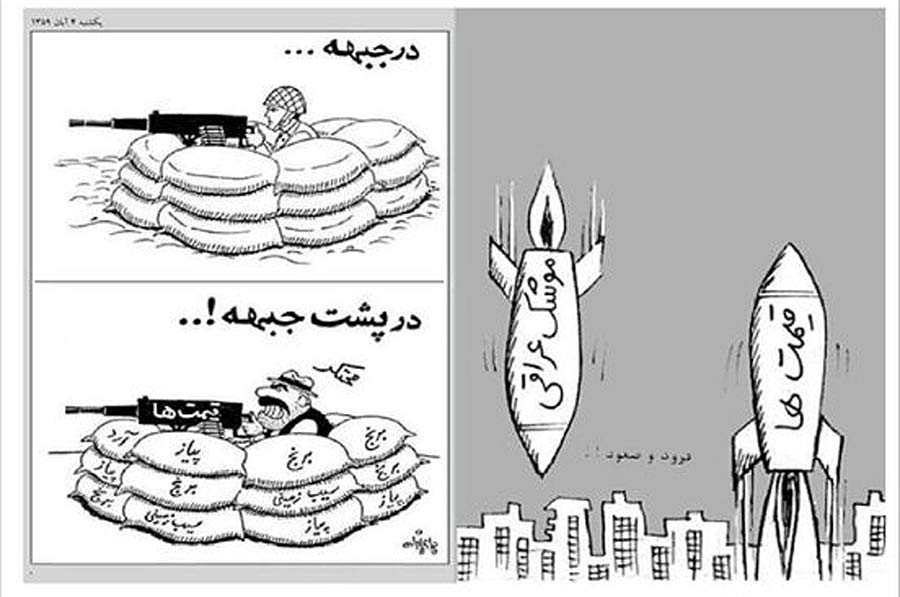
Year 1980, coinciding with the Iran–Iraq War
Alizadeh, comparing today’s working conditions with the past, notes:
“Today, the situation has changed completely for me. With internet shutdowns, there is no viable platform for sharing artworks on social media. On top of that, *Hammihan* newspaper, where I was working, has been suspended.
I used to be active simultaneously in both the press and online platforms, but now I’m faced with a serious question: where can I publish my work? Even during the recent days of conflict, I created several drawings, but unfortunately, I had no avenue to release them.”
Regarding the subtle mission of art in moments of crisis, he believes:
“Caricature can have an invisible yet profound impact, opening minds, uplifting society, and creating awareness.”
He also notes:
“When a country is attacked, defense becomes an unavoidable necessity. But if, at some point, peace can prevent further destruction and loss of life and ultimately benefit the people, then it must also be considered. No one desires war; living in peace is always preferable.”
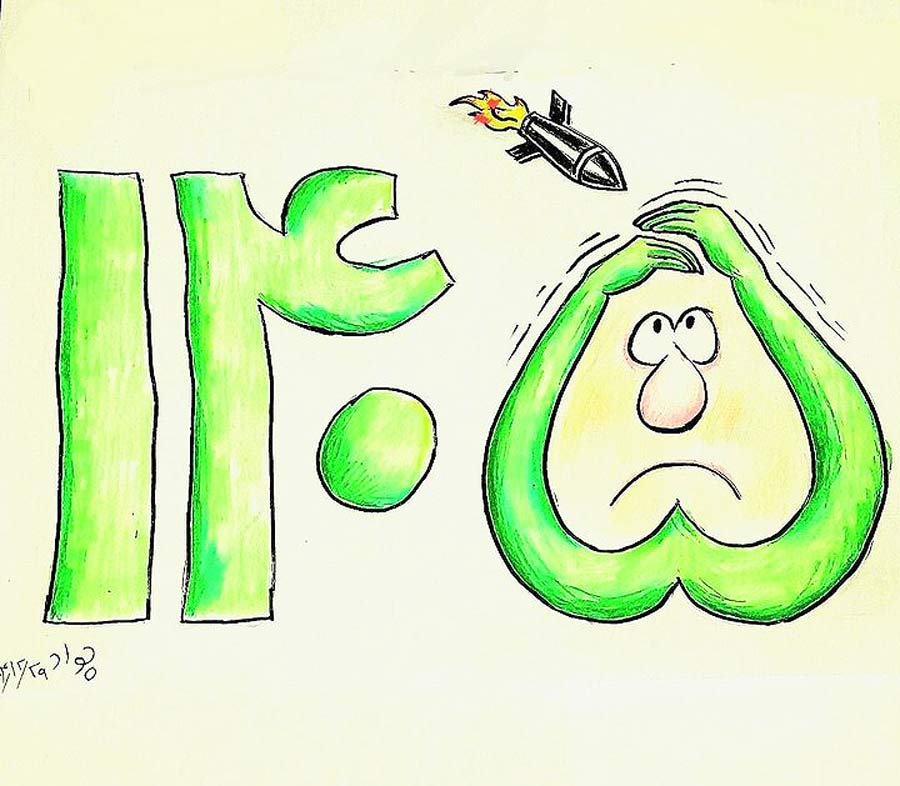
This piece is being published for the first time.
Alizadeh further points to the challenges of working without internet access:
“When the internet was connected, we would simply photograph our caricatures with a phone, using it essentially as a scanner. Then we would email the images to ourselves and edit them in Photoshop. Now, with internet shutdowns, not only is publication hindered, but even the workflow for producing and editing artworks has been disrupted.
And we must also acknowledge this: if the internet is considered harmful for the public, then our officials should not use it, or platforms like Twitter (X), either. What’s fair for one should be fair for all.”