

Interview with Asghar Semsarzadeh:
People Need to Smile / “Morad Barghi” and “Asghar Taraqe” Made Me Famous
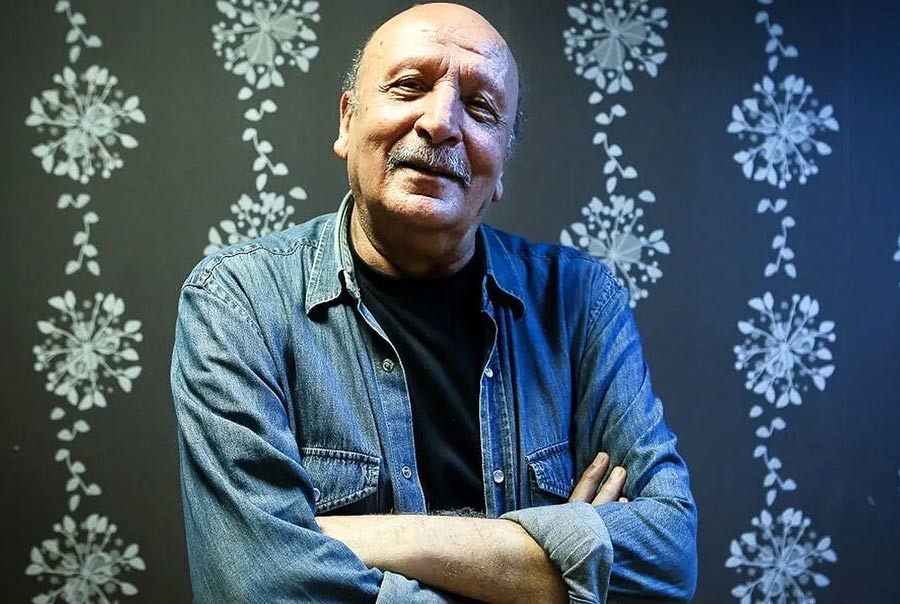
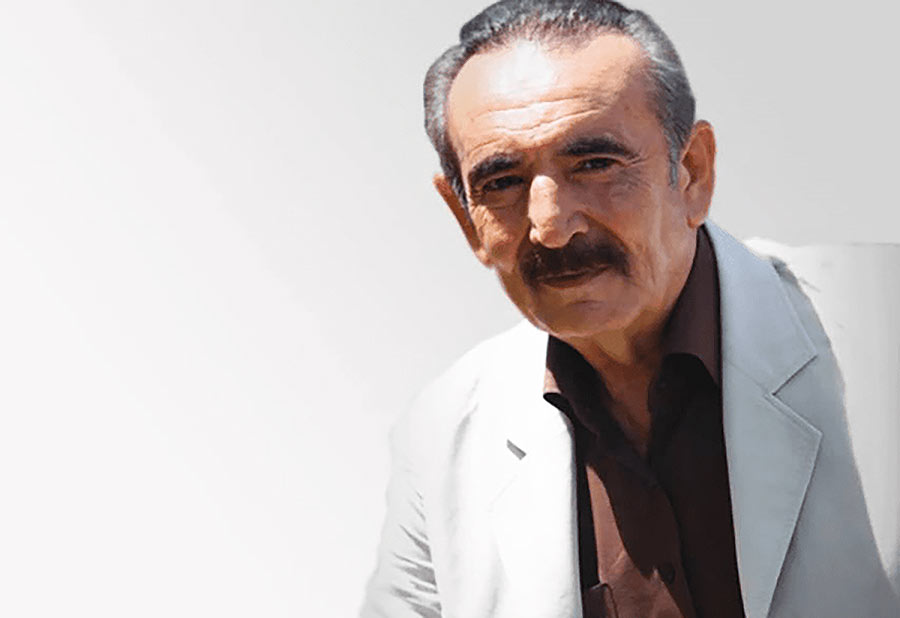
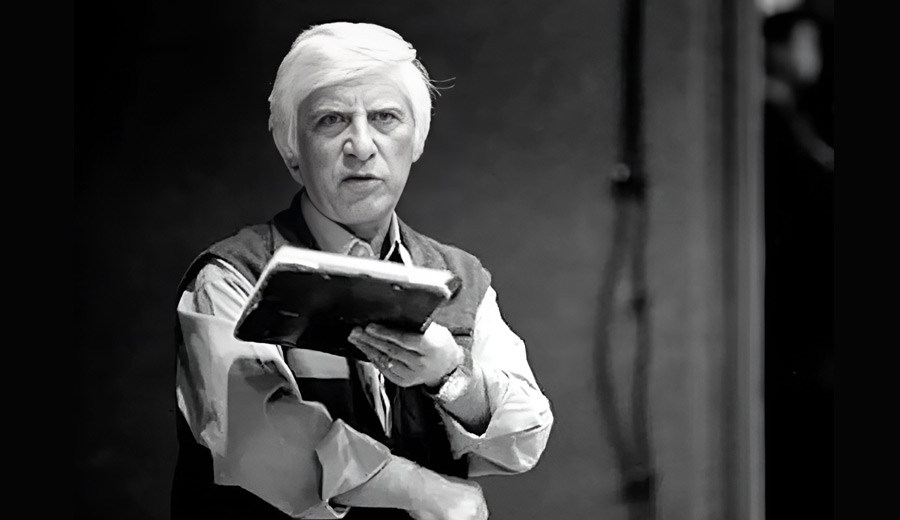
Asghar Semsarzadeh, an artist who has devoted more than half a century to performing across theater, cinema, television, radio, and dubbing, speaks about the reasons behind his recent reduced activity, the enduring charm of his most iconic roles, the impact of art on public culture, and his personal commitment to bringing joy and comfort to the people.
According to Artmag.ir, quoting ISNA, Semsarzadeh began the conversation with a reflection on his long career in acting and dubbing.
“My entry into the world of art dates back to 1958, around 68 years ago, beginning with theater and television. Over these years, I have performed in some 200 to 300 plays and live shows. Among notable theatrical and television works, I can mention *Pahlevanan*, *Agha-ye Marbouteh*, *Stories of Shahnameh,* and of course the unforgettable series *Morad Barghi*. In cinema, before the Islamic Revolution, I acted in around 37 to 38 films, but my work in film decreased significantly afterward.”
When asked about the roots of his passion for art, he said:
“My love for art, especially acting goes back to childhood. Every summer I visited Isfahan, and at night I would go with my uncle, the late Reza Arham Sadr, who was a theater actor, to watch performances. That experience ignited my passion. After moving to Tehran, the efforts of great artists such as Nosratollah Vahdat, Parviz Kardan, and Behzad Eshtiaqi paved the way for me. I am deeply grateful to Parviz Kardan. His series *Agha-ye Marbouteh* was such an extraordinary work that it could practically empty the streets of Tehran for an hour.”
Regarding why he has been less active in recent years, Semsarzadeh explained:
“Things have changed, work has decreased. I don’t know the reason, let’s see what happens. Most of my activity is now limited to radio, because other fields have been partially shut down. Recently, I worked on the film *Zogh-Marg* and collaborated with Mr. Mahdavian.”
Despite these changes, the artist has found new priorities in life. He said:
“With more free time, my priorities have shifted. I’ve taken this opportunity to focus on my family. I spend time with my wife and children. My kids never used to see me; now I finally have more time with them. My presence at home has been a source of comfort for my wife, son, and daughter. It shows that professional success ultimately has to be balanced with peace at home.”
Semsarzadeh also reflected on his broad artistic experience:
“I’ve worked in nearly every field related to voice and performance. Besides cinema, television, and theater, I also have a background in dubbing. My most recent theater work was *Doostan-e Bamehabbat*, directed by Esmail Khalaj, a story about the old camaraderie among artists after the passing of one of their friends. Before that, I had been working on a project at a retirement home, which has now concluded.”
When asked which of his roles had the greatest impact on his popularity, he replied:
“Among all the roles I’ve played, two characters have stayed most deeply in people’s memories. One is Morad Barghi, a role from the 1973 series *Khane-be-Doosh*, directed by Parviz Kardan. The character became so intertwined with my identity that my fame became tied to his name, opening the door for me in cinema, television, and dubbing.
The other is ‘Asghar Taraqe,’ whose nervous reactions made the character especially memorable. In my view, that role brought me widespread recognition. Public response was so strong that, during the broadcast of the series, the traffic police used to give their officers time off—because traffic on the streets would drop.”
Speaking about teaching and passing on his experience, he said:
“Teaching has never been my job and never will be, though I won’t hesitate to share my experience if someone needs it. I admired the valuable classes of Mr. Samandarian. I once worked as a full-time employee of the Ministry of Culture and Art, serving the country’s cultural field. But a turning point in my later career was my shift toward comedy after the Revolution.”
He added:
“I turned to humor and laughter because I believe people need to smile, and they need to be uplifted. I’m proud that for 47 years I’ve remained a bridge between the people and *Sobh-e Jomeh*, the long-running radio program. I’ve seen firsthand how issues the public brings up can be resolved by 40 to 50 percent simply by presenting them through humor. This social impact is my greatest achievement.”