

As Fereydoun Jeyrani Is Honored:
Fereydoun Jeyrani: An Encyclopedia of Iranian and World Cinema

The screening of Red and a tribute to Fereydoun Jeyrani at the “Kanoon Classics” program brought together a number of filmmakers who praised his extensive knowledge of Iranian and world cinema, describing him as a living encyclopedia of film history. They also highlighted his attention to detail, cause-and-effect relationships, and narrative structure as defining features of his work.
According to Artmag.ir from the public relations department of the Iran Cinema Museum, the “Kanoon Classics” program, featuring a screening of Red and a tribute to Fereydoun Jeyrani, was organized by the Iranian Cinema Directors Association and the Iran Cinema Museum, in cooperation with the National Film Archive of Iran. The event was held on Saturday, November 7, at the Cinematograph Hall of the Iran Cinema Museum.
A number of filmmakers and Jeyrani’s longtime colleagues attended the ceremony and spoke about his influential role in screenwriting, directing, film journalism, discovering new talent, and shaping major movements in Iranian cinema.
The event was hosted by filmmaker Asghar Naeimi. Among those in attendance were Ahmad Amini, Masoud Mimesi, Mohsen Amiryousefi, Vahid Mousaian, Alaleh Hashemi, Maral Jeyrani, Reza Sobhani, Danesh Eghbakhshavi, Fatemeh Mohammadi, Hamidreza Ghotbi, Habib Esmaeili, Mehdi Sabbaghzadeh, Esmail Pourreza, Maryam Mohammadkhani, Seyed Jamal Sadatian, Bijan Emkanian, Bagher Moradi, Saman Salour, Mohammadreza Arab, Hassan Aghakarimi, and other artists and filmmakers.


Violence as a Central Theme in Red Film
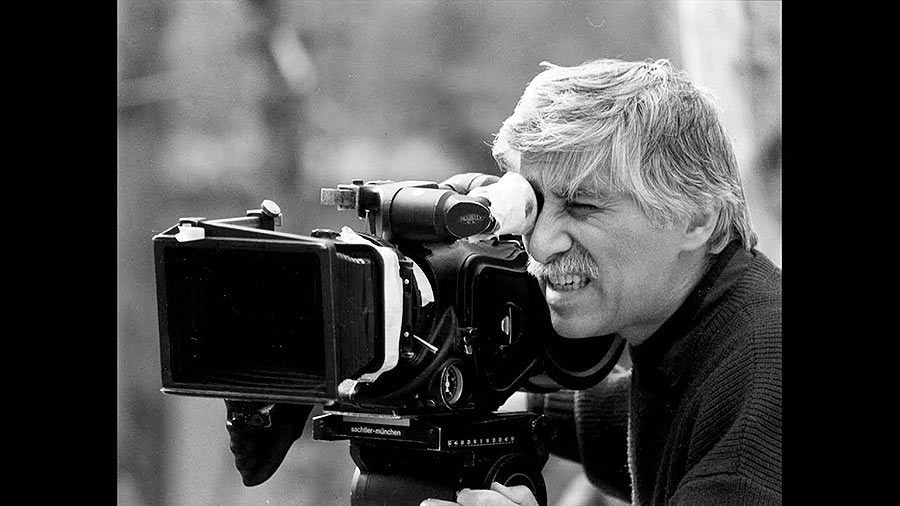
During the ceremony, Fereydoun Jeyrani thanked the organizers and attendees. Reflecting on his long career in cinema, he described Asghar Naeimi as a young filmmaker familiar with film history and discussed the development of some of his works.
Referring to a screenplay titled CEO, written during Akbar Hashemi Rafsanjani’s presidency, Jeyrani explained that the project was developed in collaboration with Mehdi Hashemi. It told the story of families whose lives were brought together through the marriage of two single parents. The idea was later adapted into a television series titled The Parents’ Troubles.
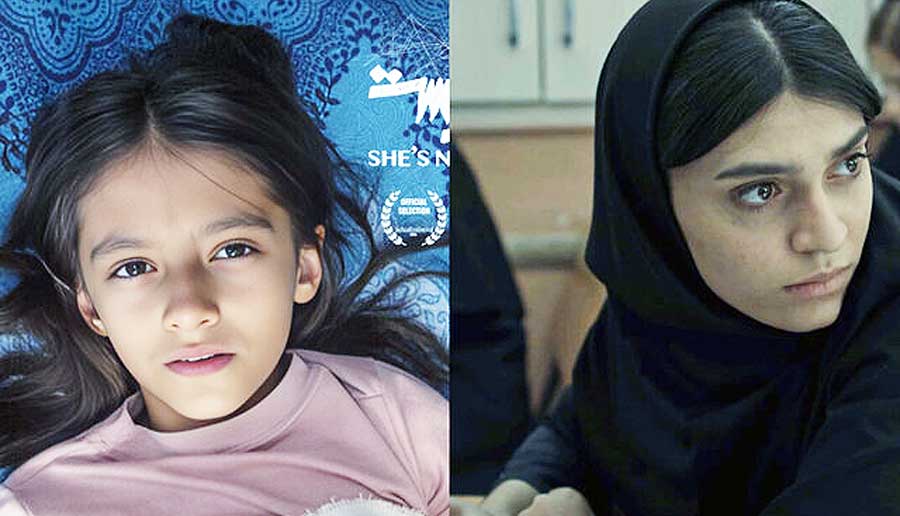
Recalling the political and social climate at the time Red was made, Jeyrani said the victory of the reform movement and the resulting changes created an opportunity to pursue a different screenplay. He added that he was also influenced by a film about a woman seeking revenge, which led him to make violence one of the central elements of Red.
Filmmaker Asghar Naeimi spoke about Jeyrani’s place in Iranian cinema, particularly in the post-revolution era, emphasizing his contribution to bringing cinema closer to audiences and creating films capable of establishing a strong connection with viewers. He noted that Jeyrani’s screenwriting activities in the 1980s laid the groundwork for several important productions, with many filmmakers making some of their most notable films based on his screenplays.
Addressing Jeyrani’s socially conscious approach to directing, Naeimi said he sought to portray social issues, particularly those concerning women and their position in society, without becoming entangled in seemingly intellectual complexities. In Naeimi’s view, Jeyrani turned his camera toward women before these issues became widespread concerns, creating characters that have remained memorable in Iranian cinema.
Referring to films such as Red, The Last Supper, and Water and Fire, Naeimi described them as stories exploring crises, violence, and the restrictions women face in society. He also called Jeyrani a “talent scout,” highlighting the opportunities he created for young professionals to develop their careers.
Naeimi added that many actors and filmmakers who now hold established positions in Iranian cinema began their professional journeys with Jeyrani’s support and encouragement. Even during periods when he was not directing films himself, Jeyrani worked to help others make their first films and had a particular talent for gaining producers’ trust and securing their support for emerging filmmakers.
Naeimi also highlighted Jeyrani’s contribution to film journalism, describing him as a full-fledged journalist, a capable screenwriter, and a director with extensive knowledge of Iranian and world cinema history. He cited Jeyrani’s experience hosting the television program Haft as another significant aspect of his career.
Jeyrani Is a Living History of Cinema
Director Mehdi Sabbaghzadeh recalled how his collaboration with Jeyrani began, saying that Jeyrani made the first serious offer for him to direct a film after the Revolution, Sun-Dwellers. Produced by Gholamreza Mousavi and made in collaboration with Bijan Emkanian, the film marked the beginning of a long professional partnership and friendship between them.
Referring to their subsequent collaborations on films including The Case, Senator, The Missing, and The Last Image, Sabbaghzadeh said he considered himself indebted to Jeyrani, who had introduced him to cinema and played an important role in shaping his professional career.
He emphasized what he had learned from their collaboration, noting that Jeyrani had taught him screenwriting techniques, how to communicate with audiences, and the importance of character-driven storytelling.
Describing Jeyrani’s position in cinema, Sabbaghzadeh said: “Fereydoun Jeyrani is, in a sense, a living history of cinema. You can ask him about the history of Iranian and world cinema. I don’t think anyone possesses knowledge of cinema as extensive and precise as his.”
Film producer Habib Esmaeili also spoke about Jeyrani’s passion and commitment to his profession, saying that he had never been interested in distractions or controversy and had always worked with genuine dedication. For Jeyrani, the content and significance of a work were far more important than financial considerations.
Describing him as an encyclopedia of Iranian and world cinema, Esmaeili added that Jeyrani was a treasure trove of cinematic knowledge, possessing extensive and precise information about the details of numerous films, their contributors, and the history of cinema.
He also pointed to Jeyrani’s awareness of social changes during the production of Red, describing his ability to recognize shifts in society and choose a relevant subject as among the film’s important qualities. Esmaeili expressed hope that Jeyrani would continue his cinematic activities.
Jeyrani’s Precision in Screenwriting and Filmmaking
Actor Bijan Emkanian discussed the development of the screenplay for Senator, explaining that he had initially shared the idea with Jeyrani. Although Jeyrani was not particularly enthusiastic at first, he returned a few days later with a story outline and transformed the idea into a coherent narrative structure. The screenplay was eventually adapted into Senator, directed by Mehdi Sabbaghzadeh.
Emkanian highlighted Jeyrani’s precision in screenwriting and filmmaking, noting that no movement in his work was merely mechanical and that every shot had to possess its own logic and meaning. Attention to detail, cause-and-effect relationships, and narrative structure were among the defining characteristics of his work, contributing to screenplays with strong cinematic logic.
Filmmakers Ahmad Amini also recalled meeting Jeyrani at Film magazine. He said their shared interests and sensibilities, including their love of cinema and attention to detail and people, brought them closer. Jeyrani asked whether he was interested in entering the film industry, and after Amini agreed, he helped arrange his participation in a film project.
Amini added that he had no previous experience as an assistant in professional cinema. During that project, Jeyrani taught him many of the fundamentals of filmmaking, from professional relationships to the ways in which a film crew works together. The experience marked Amini’s entry into professional cinema.
Mohsen Amiryousefi also emphasized the importance of the less-discussed aspects of Jeyrani’s activities in Iranian cinema and film journalism. He said Jeyrani had distinctive perspectives on Iranian cinema, the House of Cinema, and film publications, adding that his personal experience and knowledge contained many untold stories that could contribute to a deeper understanding of Iranian cinema history.
Referring to films such as Red, The Last Supper, and Water and Fire, Amiryousefi described Jeyrani as a pioneering filmmakers in his portrayal of female characters and his exploration of subjects that had previously received limited attention in Iranian cinema.
Film producer Gholamreza Mousavi, who spoke about his longstanding friendship and professional collaboration with Jeyrani, described him as a valuable source of cinematic knowledge for his friends and colleagues. He recalled that when access to information was far more limited than it is today, many people turned to Jeyrani to learn about films, directors, and actors.
Mousavi also discussed the development of Red, explaining that, given the circumstances and restrictions of the time, the initial idea had been to make a children’s film. However, following the political changes and Seyyed Mohammad Khatami’s victory in the presidential election, Jeyrani recognized the changing climate, took a different direction, and wrote the screenplay for Red.
At the end of the event, the Iran Cinema Museum presented Fereydoun Jeyrani with a certificate of appreciation in recognition of his years of dedication, artistic contributions, and efforts to preserve the country’s enduring cinematic images. The award was presented in the presence of Fatemeh Mohammadi, Habib Esmaeili, Gholamreza Mousavi, Bijan Emkanian, Mehdi Sabbaghzadeh, and Ahmad Amini.