
Veteran Iranian Documentary Photographer Dies at 68
Mohsen Rastani, Influential Figure in Iranian Photography, Dies
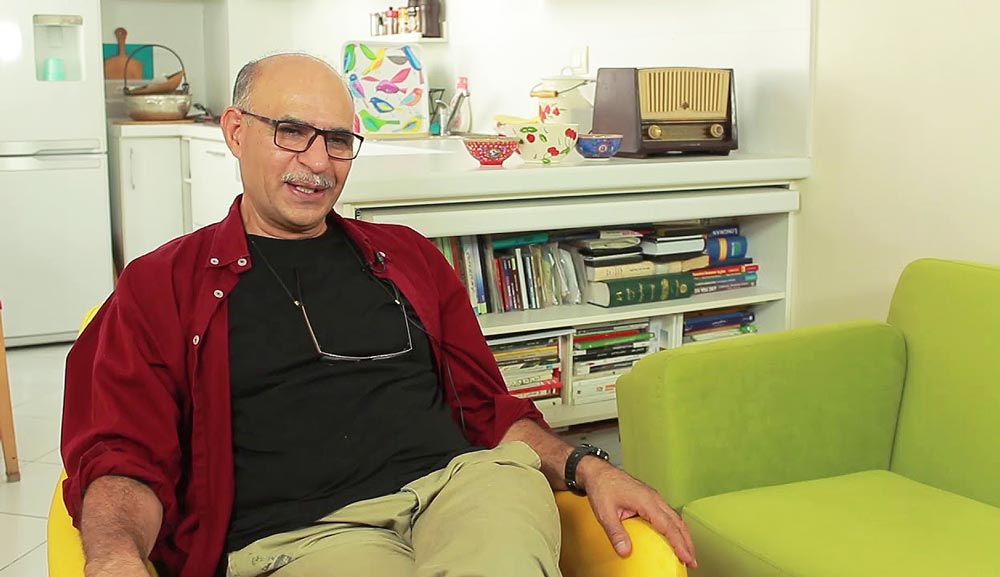
Veteran Iranian Documentary Photographer Mohsen Rastani Dies at 68
According to Artmag.ir, the influential artist documented war, everyday life and social change across more than four decades, leaving behind a significant visual record of contemporary Iranian history.
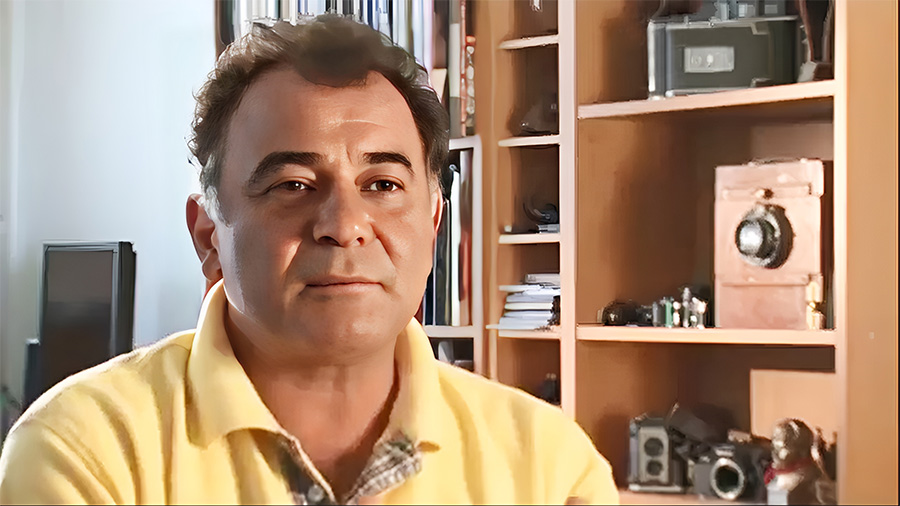
Mohsen Rastani, a renowned Iranian photographer and a veteran of documentary photography, has died at the age of 68 following a period of illness.
Rastani was one of the influential figures in contemporary Iranian photography. Through images documenting war, people’s lives and social change, he recorded an important part of the country’s visual history.
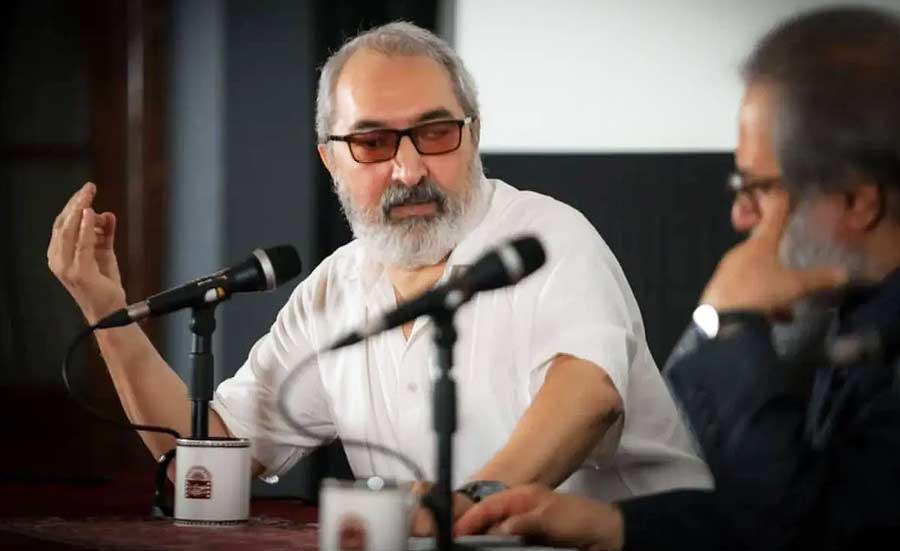
His death has once again drawn attention to the career of an artist who chronicled aspects of Iran’s contemporary history through his camera.
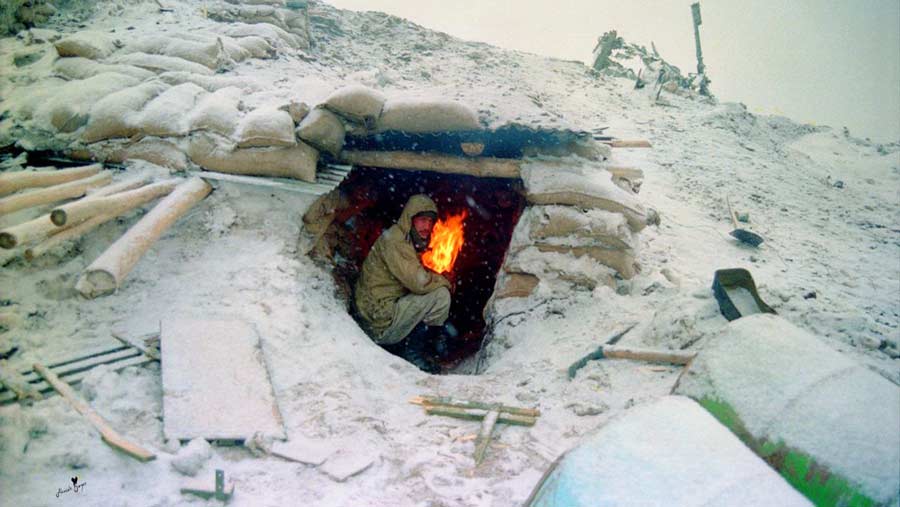
Mohsen Rastani was born on 27 December 1958 in Khorramshahr. He studied photography at the Faculty of Fine Arts at the University of Tehran, graduating with a bachelor’s degree in 1987. His professional career took shape during the Iran–Iraq War, when the conflict became a major subject of Iranian news and documentary photography.
He began his professional career during the war. At the time, some photojournalists were moving beyond images of military operations and battlefields to document the lives of ordinary people and the consequences of war. Rastani followed a similar path, which became an important part of his professional identity.
Over more than four decades, Rastani documented war and social life in Iran and other countries. From photographs of the Iran–Iraq War to images of the conflicts in Beirut and Bosnia, and his Iranian Family series, his work encompassed a wide range of human and social experiences that have become part of the historical memory of our time.
His approach to photography extended beyond recording events. Social life and people’s lived experiences also occupied a central place in his professional concerns.
Iranian Family: A Visual Portrait of Iranian Society
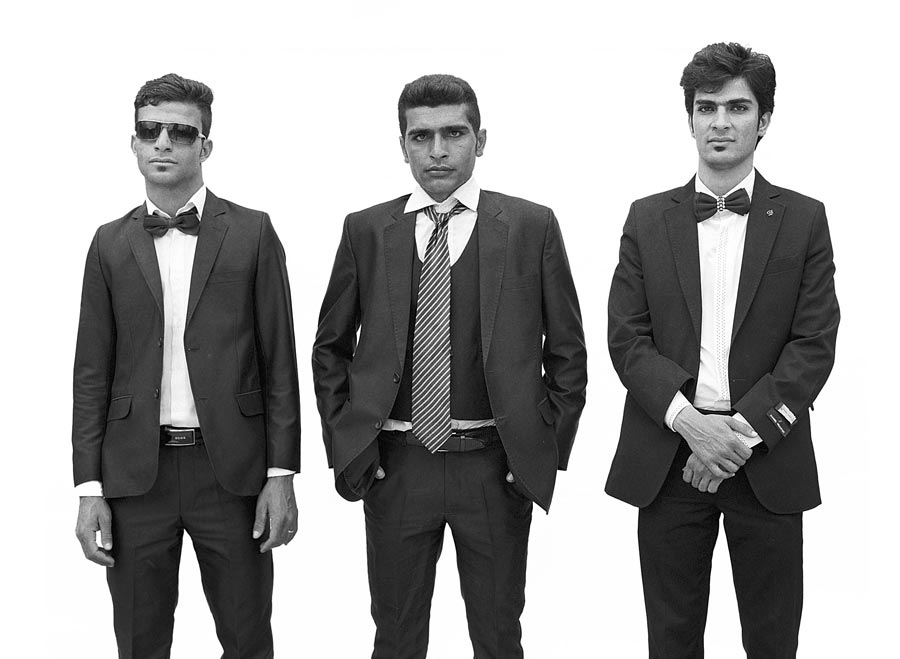
One of the late Mohsen Rastani’s best-known projects was Iranian Family, a documentary photography series featuring families from different social groups and classes.
In this series, Rastani used a simple background and relatively consistent compositions to place the families’ faces at the centre of attention. The photographs reveal differences in the cultural backgrounds, social circumstances and lifestyles of Iranian families without the need for lengthy verbal explanations. With its documentary approach and distinctive visual style, the series is regarded as one of the notable works of contemporary Iranian photography.
The Iranian Family series was introduced to international audiences in the autumn 2008 issue of The Paris Review, No. 186. The accompanying text noted that Rastani had travelled to different parts of Iran over 15 years, photographing families.
Rastani said that he did not approach the project as a hurried exercise in taking pictures. He sometimes spent hours talking to the people he photographed so that they could be themselves in front of the camera. In his view, even the way family members stood beside one another could reveal something about relationships and responsibilities within the family.
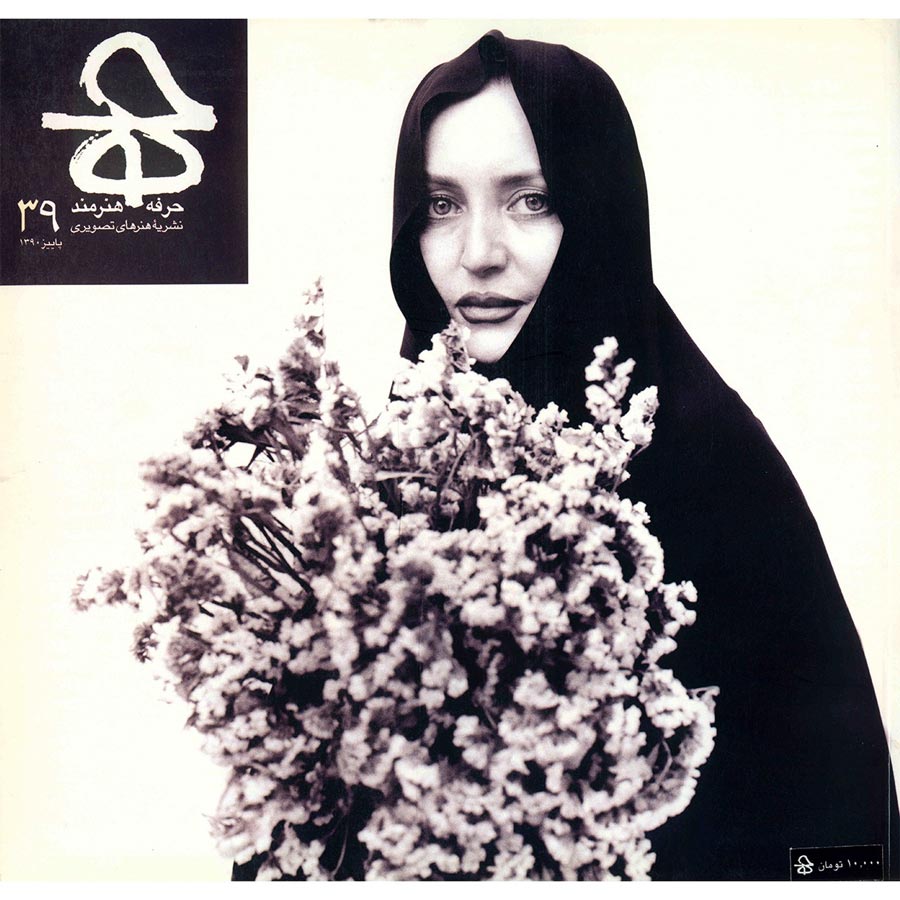
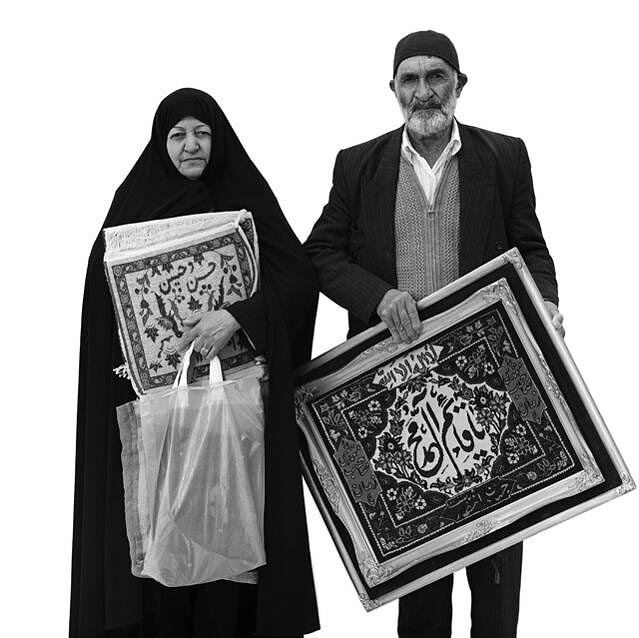
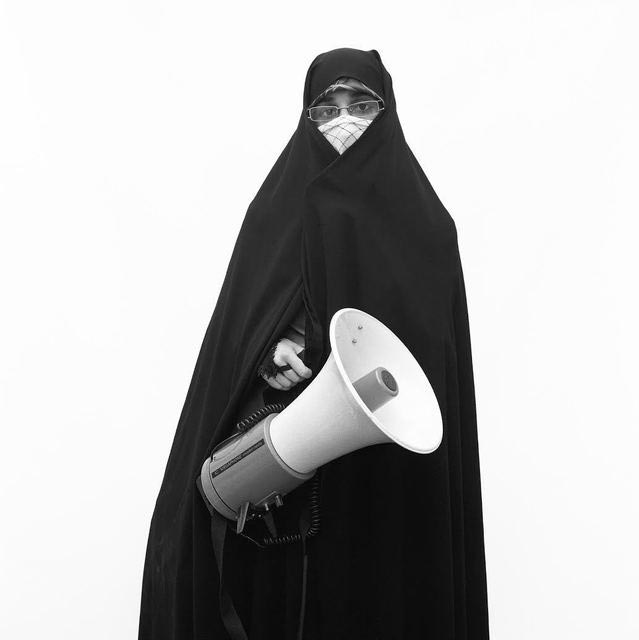
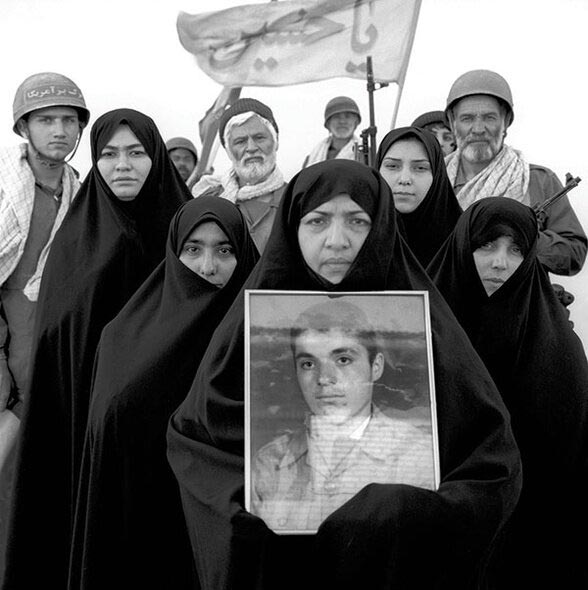
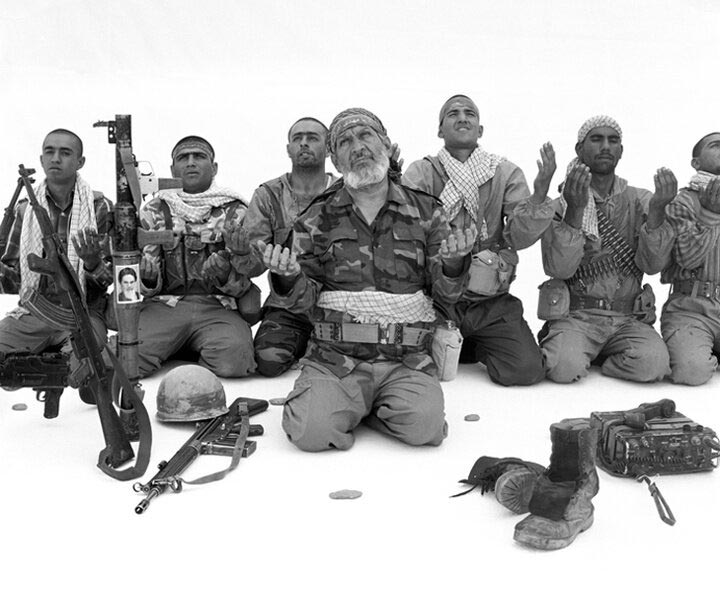
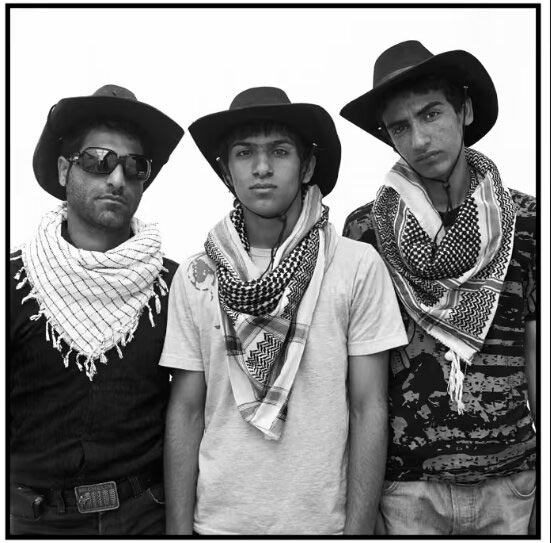
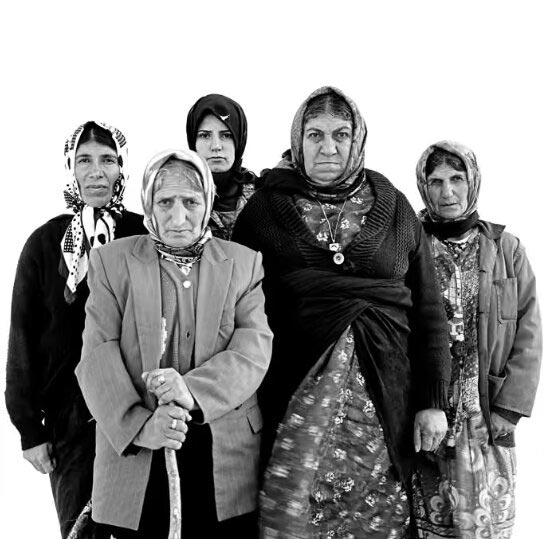
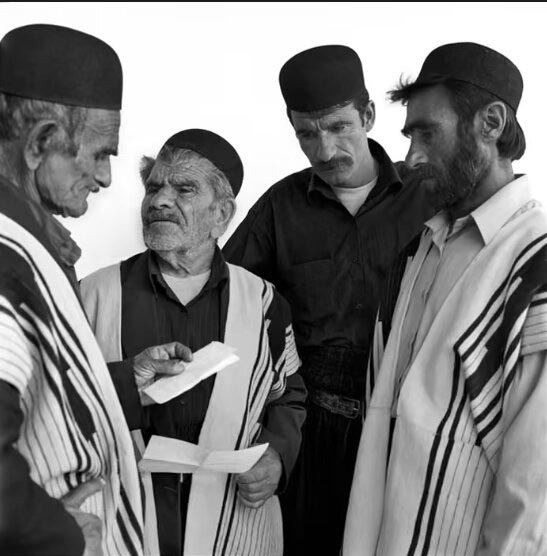
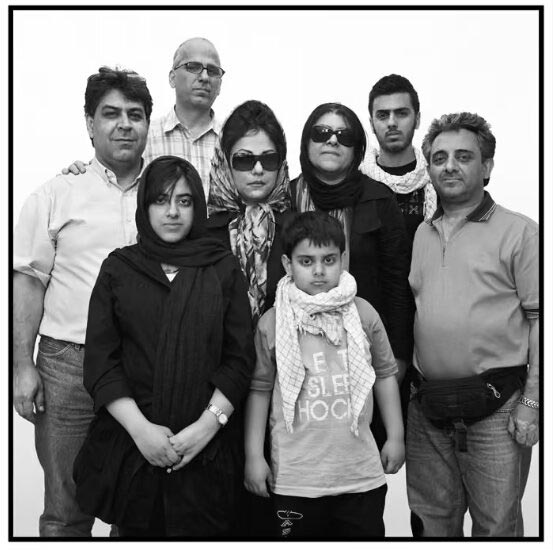
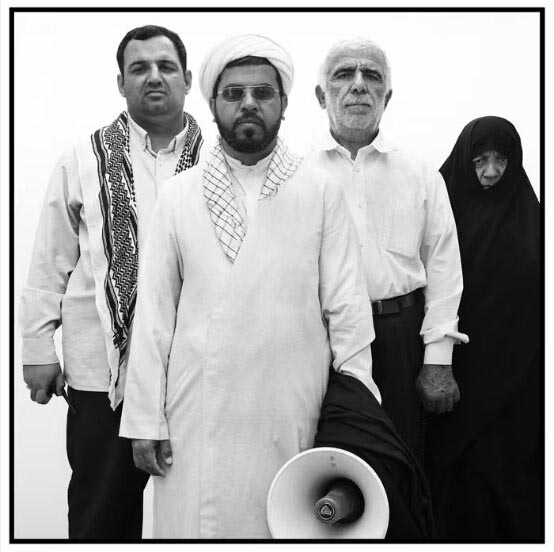
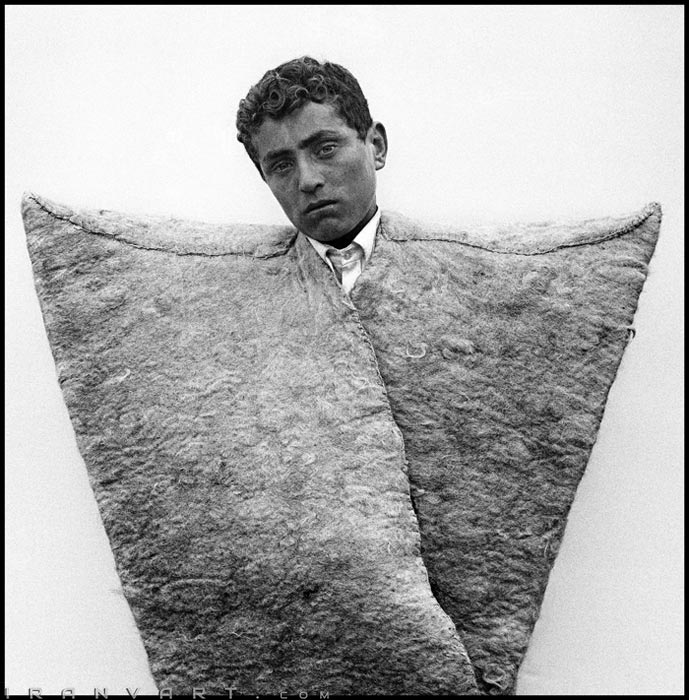
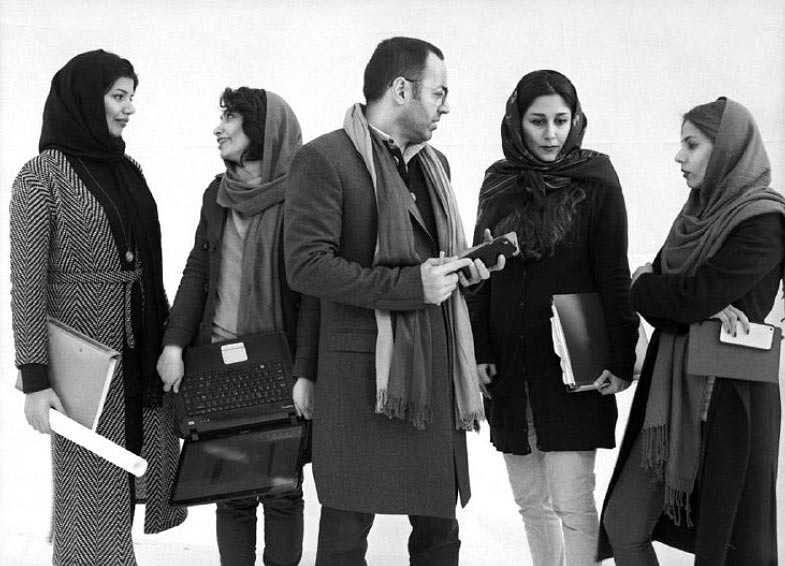
An important feature of the project was its ability to connect with audiences beyond Iran. Rastani observed that, despite cultural and physical differences, family life was a familiar experience shared by people everywhere. International viewers could recognise both the distinctive features of Iranian society and the fundamental similarities in family relationships.
As part of his continuing effort to understand and present Iranian lifestyles, Rastani also embarked on a project documenting the social types of Tehran. In this work, the city was presented not merely as a collection of buildings and streets, but as a space inhabited by different social groups and shaped by diverse ways of life.
Rastani’s work was exhibited at numerous exhibitions in Iran and abroad. He participated in the Venice Biennale in 2011, and his work was presented as part of the exhibition Unedited History: Iran 1960–2014 at the Musée d’Art Moderne de Paris and the MAXXI National Museum of 21st Century Arts in Rome.
Rastani also received awards at photography events in Iran and internationally. He was among the selected photographers at Iran’s Fourth Annual Photography Exhibition in 1991 and at the International Creative Photography Exhibition in England. In 2005, he won first prize in the black-and-white photography series category at Iran’s 10th Photography Biennial.
Alongside Iranian Family, Rastani pursued the Social Types of Tehran project, extending his interest in understanding society through human portraits. This time, the city and its social diversity were at the centre of his work.
A Career Beyond War Photography
Throughout his professional life, Rastani held various positions and gained experience in photojournalism, press photography and education. His career included working with the Islamic Republic News Agency, heading the photography department of the University of Tehran’s Academic Centre for Education, Culture and Research in 1985, serving as photo editor for Tasvir magazine and Sobh-e Emrooz newspaper, and teaching at the University of Tehran’s Faculty of Fine Arts.
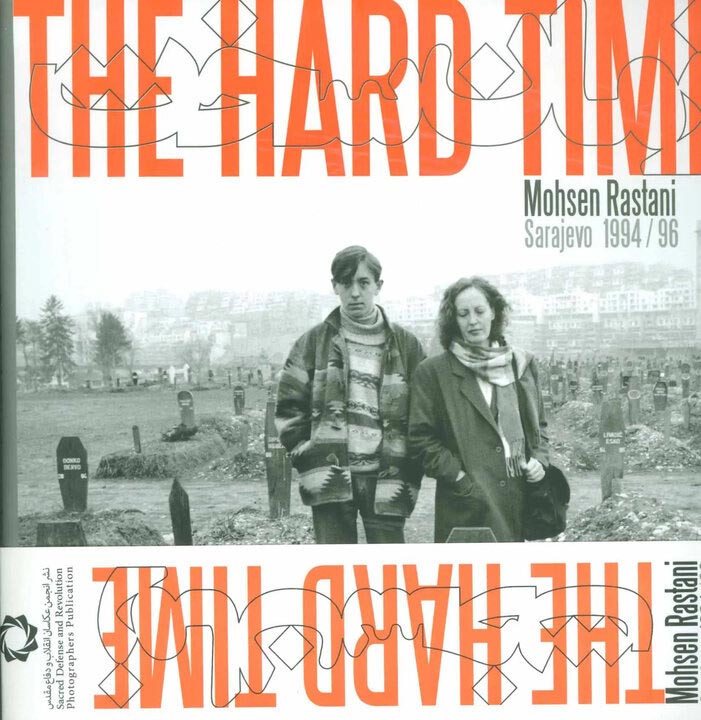
Years after the Iran–Iraq War began, Rastani took his camera to another region. This time, rather than Khorramshahr and Abadan, his subject was Bosnia. In the mid-1990s, he photographed the country, documenting the human consequences of the conflict. Some of this work was later published in his book The Hard Time.
His portfolio also included photographic projects and reports from Germany, Beirut, Bosnia and Herzegovina, Armenia and other locations. This geographical breadth allowed him to document the particular experiences of different places while exploring shared human concerns.
In an interview published by Ansel magazine in 2026, the late Rastani discussed his photographic journey from the Iran–Iraq War to Lebanon and Bosnia.
His work extended well beyond Iran. His photographs were presented at international events, including the São Paulo Biennial in 1998, the Venice Biennale in 2003 and the Gwangju Biennale in 2006. His work was also exhibited at international art institutions.
He photographed during the Iran–Iraq War, the Lebanese Civil War and the conflicts in Bosnia and Herzegovina. These experiences took his work beyond Iran’s borders and broadened the geographical scope of his practice.
One of his most significant works in this field was The Hard Time, a book of photographs documenting the Bosnian War and featuring images taken between 1994 and 1996. Published in 2014, the book reflects part of the photographer’s experience of confronting one of Europe’s most painful humanitarian crises of the late 20th century.
Rastani’s other activities included serving on the founding boards of the Iranian Association of Press Photographers and the Iranian Photographers’ Society, joining the policy council of Iran’s 11th Photography Biennial, judging national and international photography festivals and competitions, and participating in solo and group exhibitions in Iran and abroad. He also published numerous articles in the Iranian press and received awards in domestic and international competitions.
A Lifelong Passion for Photography
A short time ago, while undergoing treatment for his illness, Rastani visited the Tehran Museum of Contemporary Art to see the photography exhibition This Face That Remains. His visit, despite his deteriorating health, reflected his deep connection with photography, a passion that physical hardship had not diminished.
Today, as we look back on the life and career of the late photographer, a sentence from one of his notes may take on a different meaning. It perhaps encapsulates his outlook on life and permanence: “I am alive for eternity. As long as God exists, I too am alive.”
The final months of Rastani’s life were marked by illness and medical treatment. He spent some time in hospital in Fürth, near Nuremberg, Germany, receiving treatment for advanced bowel disease. During this period, reports also emerged about his wish to have his family by his side. His German wife, Elin, cared for him, but he also wanted his daughter and grandson, Rayheh and Danial, to be with him.
Rastani eventually returned to Iran in August 2026 and settled in Babolsar with his daughter, where his treatment continued.
Photographer Masoud Zenderouh Kermani, a veteran of Iranian photography, spoke to Mehr News Agency on the morning of 25 October about his last telephone conversation with Rastani. He said that they had spoken the previous night and that his friend had been in pain.
Funeral Arrangements for Mohsen Rastani
The funeral and farewell ceremony for the late Mohsen Rastani will be held at 10 am on Tuesday, 27 October 2026, outside the Iranian Artists Forum.
With Rastani’s death, Iran’s photography community has lost one of its longstanding figures. For decades, he captured people’s lives and moments in the country’s contemporary history, preserving an important part of society’s visual memory.
The editorial board of Artmag.ir, a bilingual arts portal, extends its condolences on the death of Master Mohsen Rastani, the photographer who documented the events of the eight-year Iran–Iraq War and a veteran documentary photographer, to the artistic community and all those who appreciate the art of photography.